
Film & TV


‘The Bride!’ Wants to Give Frankenstein’s Monster—and His Bride—a Second Life
A near–century–old horror icon is reexamined through the lens of autonomy, loneliness, and reinvention.

Surprise, Sidney: When the Slasher Hits Close to Home
The Scream series has officially jumped the shark.
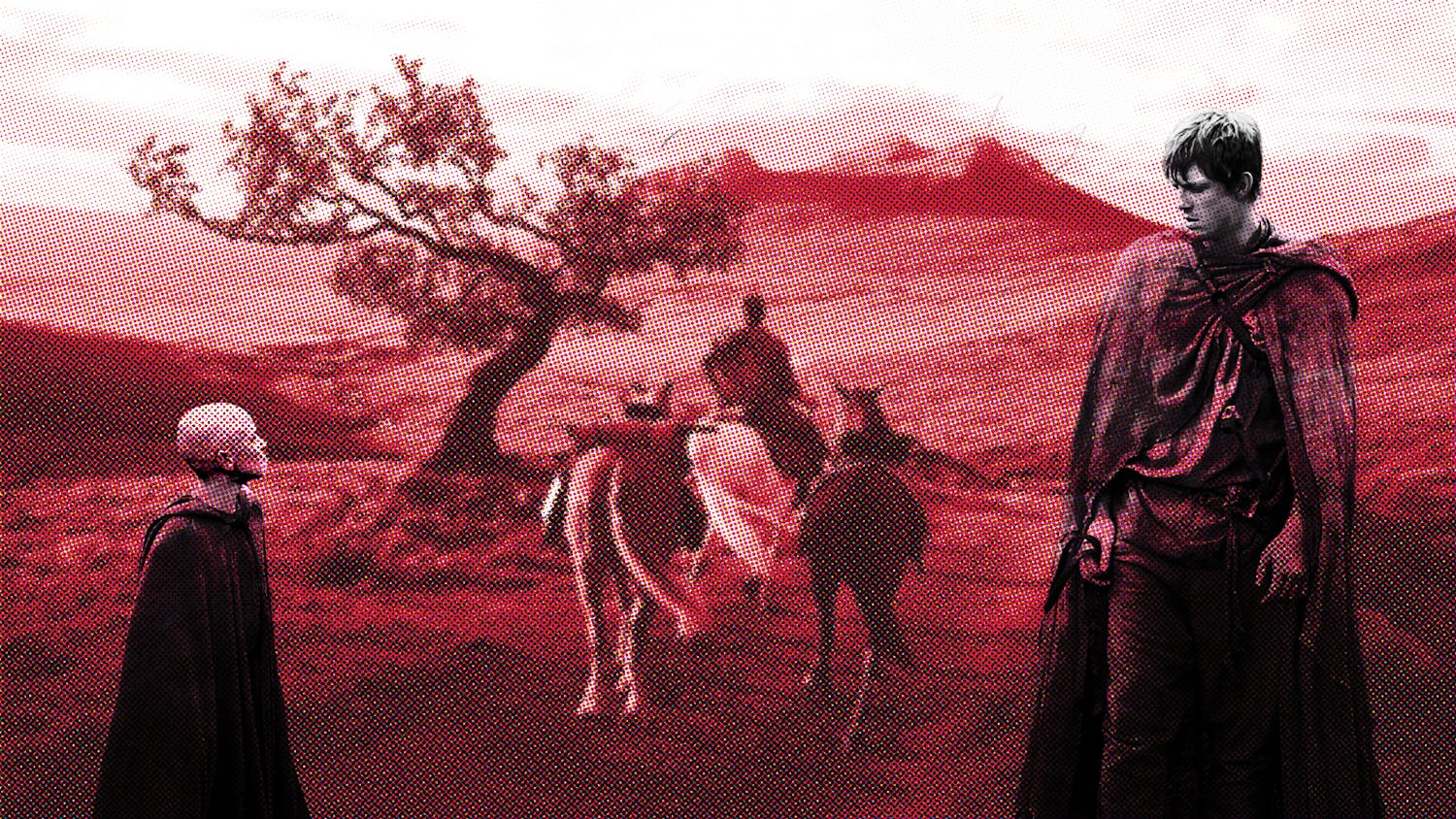
No Dragons? No Problem
A Knight of the Seven Kingdoms is the latest in a line of shows that prove franchises work best when they return to the common man.

‘GOAT’ Came to Play Ball, But Still Feels Small
Sony’s latest animated feature scores at the box office, but trades careful development for a plot that leaves no room for true emotional connection.

Legacy Sequels: Maintaining the Balance Between Nostalgia and Novelty
This genre requires far more identity and intentionality than others in box offices.
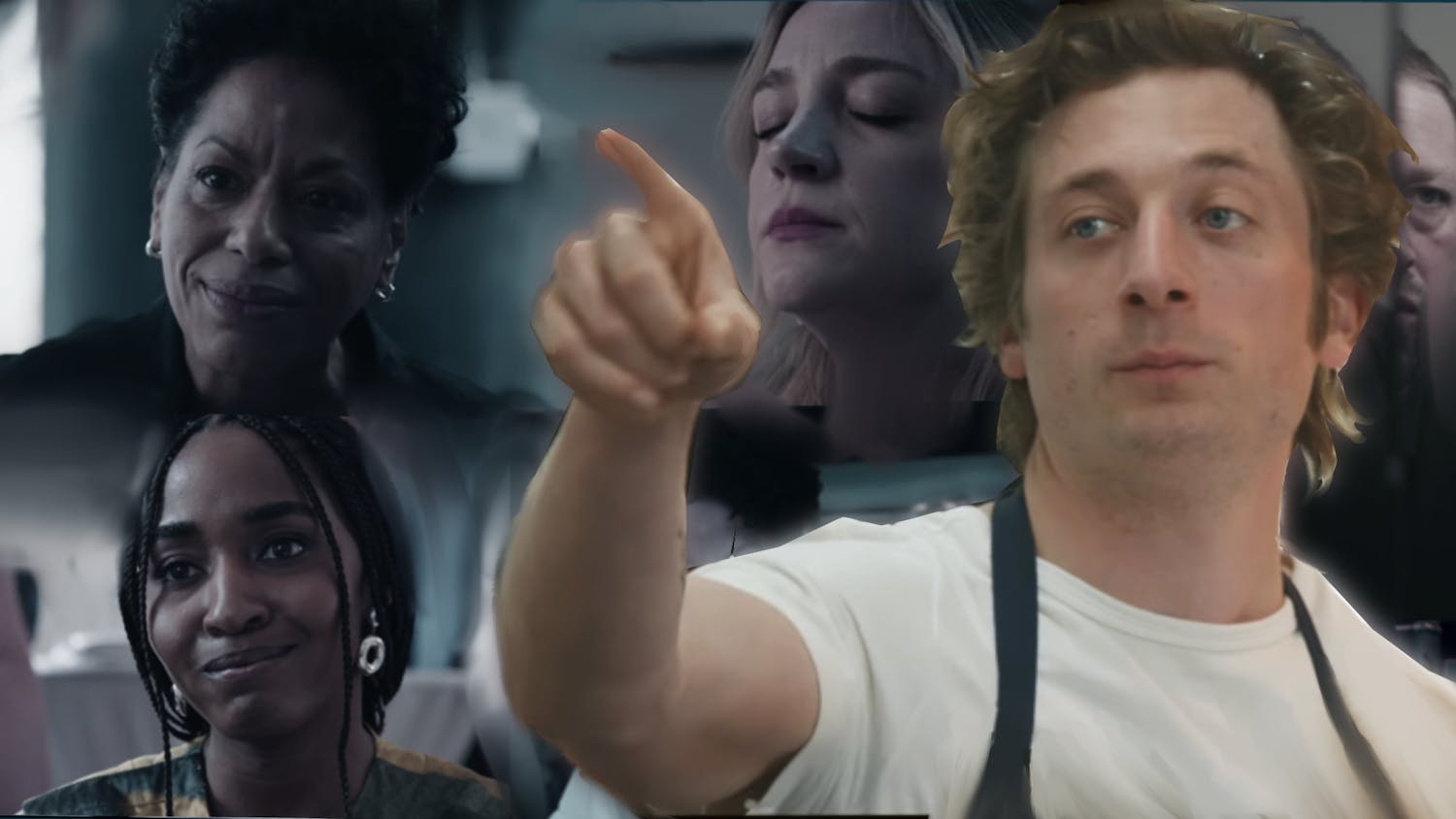
‘The Bear’ and the End of Prestige TV
FX’s acclaimed series captures what prestige TV looks like after its grand ambitions collapsed.

The Reimagining of ‘Wuthering Heights’ as a Romance
Emerald Fennell’s sexy adaptation emphasizes emotion, not plot accuracy.

‘People We Meet On Vacation’: A Rom–Com Lover’s Dream, BookTok’s Worst Nightmare
BookTok’s best are getting movie adaptations … how closely should they stand to the source material?

‘Stranger Things’ 5: Bigger Is Not Always Better
Season 5 of Stranger Things wraps up its saga with impressive visuals and familiar faces, but loses the simplicity and tension that defined its early years. The result is a finale that feels more dutiful than revelatory.

Why Women Yearn for Male Yearning
Sadie Daniel traces the cultural obsession with men who pine, ache, and stare longingly across rooms—or hockey rinks. Why do women yearn for yearning men?

'Jet Lag: The Game' Makes the World its Playground
Jet Lag showcases a new model of entertainment where travel, strategy, and personality collide in real time. Building intense audience attachment through recurring hosts, symbolic prizes, and high emotional stakes, the project signals a shift toward media where community drives success.

What Is Going On With Quentin Tarantino?
Tarantino’s Fortnite foray tells us more about the changing media ecosystem than it does about his moral compass.

The Problematic Office Politics of Sam Raimi’s ‘Send Help’
Sam Raimi’s Send Help turns a workplace outcast into a violent survivor who loses moral conflict as the story moves toward gore and spectacle. Rachel McAdams delivers the strongest part of the film while the story touches on workplace power and toxic relationships. The ending frames success as survival without guilt, which weakens the message about gender and power.

‘Iron Lung’ and the Rise of the YouTuber Film
Iron Lung shows how a creator with a large online audience turned a low budget game adaptation into strong box office revenue through fan driven promotion and social reach. YouTube creators build direct audience ties, run production pipelines, and mobilize viewers to support projects across media platforms. The film’s performance signals a shift where online personalities compete with studio backed releases through community scale and digital marketing power.

Who Did Marvel Even Make ‘Wonder Man’ For?
Marvel’s Wonder Man on Disney+ is a surprisingly low–key MCU entry, swapping the multiverse chaos for sharp, character–driven Hollywood satire. With minimal marketing and almost no larger franchise stakes, it ends up being one of Marvel’s best recent shows: small, funny, and refreshingly unconcerned with saving the world.

Beauty, Blood, and Blockbusters
Paul Feig adapts Freida McFaddenu's The Housemaid into a spectacle; one with just a little more shock value.

Do All Asian Americans Have Daddy Issues?
Hollywood keeps running the same tired script about Asian American life: strict parents, culture clash, identity crisis, rinse, repeat. This pattern reduces such characters to struggle and excludes stories about adulthood, romance, work, or ordinary life. If we want real range, Asian American characters have to be allowed to exist outside the family–conflict starter pack.

‘Wicked: For Good’ is for the Theatre Kids
Wicked: For Good closes its story without awards recognition but with clear creative conviction. The film’s reception reflects a mismatch between its intentions and critical expectations. Designed as the second half of a continuous narrative, it prioritizes character depth and long-term emotional payoff over accessibility. In doing so, For Good succeeds less as a crowd-pleaser and more as a film made for those already invested in the world of Wicked.

‘Avatar: Fire and Ash’ — Pandora Still Works, With an Asterisk
James Cameron’s Avatar: Fire and Ash delivers the franchise’s most emotionally layered story yet, deepening its characters and political tensions even as its climactic spectacle starts to repeat itself.